Creating AEO's Engineering Internship Program
Built an 8-week, project-based internship program that gave interns real codebase contributions and cross-team exposure — replacing the typical busywork model.
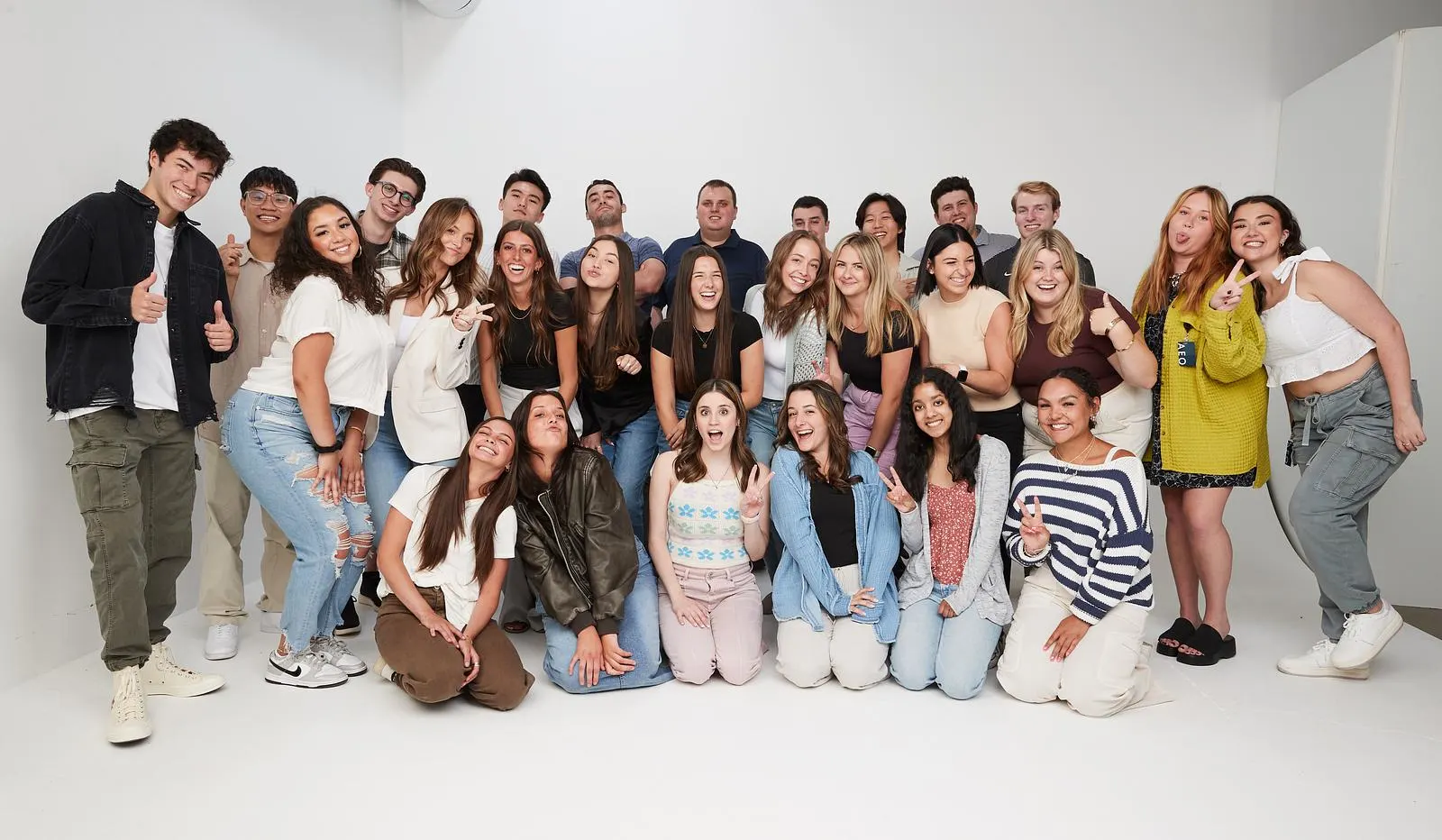
- 8 weeks
- Project-based structure
- Adopted by HR
- As model for other departments
- Real PRs
- Production code contributions
- Talent pipeline
- Credible early-career flow
Problem
AEO's UI Engineering org needed a real pipeline of early-career talent, but the existing internship template was the usual one: side-quest tasks, light supervision, and limited insight into how engineering actually worked. It didn't attract the candidates we wanted, and the interns who did come through didn't get a clear picture of life as a UI Engineer.
Approach
I designed and ran the Engineering Internship Program end-to-end. HR handled recruiting; I owned the program's substance.
The 8-week structure was built around three principles:
- Context before participation. Each week introduced interns to a different project team, with intros to key members ahead of any ceremonies — so when they joined standups or planning, they understood who and what they were watching.
- Real codebase contributions. Interns reviewed the codebase, proposed their own projects, and ran them through the full lifecycle: pull requests, peer programming, code review, and a final demo to the engineering team. I gave constructive proposal feedback so refactoring and pivoting felt like part of the work, not failure.
- Concrete success metrics. A successful PR fixing a real production bug. PR approval for the intern's proposed project. A completed demo. And — explicitly — the intern's own desire to return as a full-timer.
Internship programs are often where companies talk about culture and then quietly fail to invest. The fix here wasn't a clever curriculum — it was treating interns like junior engineers, giving them work that mattered, and being explicit about what success looked like for both sides.